
[Richmond Times Dispatch] Spanberger Details Affordability Measures in Health Care, Energy, Housing

Governor-elect Spanberger has released details on how her administration will work with the General Assembly to address affordability issues for Virginians regarding health care, energy, and housing. Democrats in the General Assembly argue the proposals are needed to mitigate the effects of President Trump’s tariff policies and reduction of the Affordable Care Act (ACA) subsidies. Some of the solutions being proposed are legislation from the previous session that were vetoed by Republican Governor Glenn Youngkin.
In health care, Spanberger and Virginia Democrats will tackle pharmacy benefit managers’ ability to compel patients toward using affiliated-only pharmacies. The incoming administration also wants to limit the number of times insurance companies can request approvals from patients receiving certain cancer cares and medicines for chronic conditions. Democrats are also reviving legislation that would prohibit insurance companies from charging tobacco smokers higher premiums. Further, Spanberger supports implementing a pilot program to help Virginians who will face unaffordable insurance premiums resulting from the expiration of the ACA enhanced tax credits.
In energy, Spanberger called to make it easier for Virginians to utilize small-scale solar panels which don’t require hard labor to install. She also wants the previously vetoed legislation that would set energy storage standards for utility companies brought back to her desk (Governor Youngkin vetoed it because of his belief that the Virginia Clean Economy Act associated with it was ineffective).
In housing, Spanberger and Democrats are reviving legislation from 2025 that would extend the grace period tenants have before being evicted for missing rent payments. They are also proposing changes that would give local governments priority in acquiring affordable multi-family units supported by tax credits when the owner wants to sell or convert them. Further, Democrats are reintroducing a bill which would allow all localities to change their zoning ordinances to create dense and affordable housing (currently, only the counties of Albemarle and Loudoun and the cities of Alexandria, Charlottesville, and Fairfax are granted such provisions). Read more here.

[Richmond Times Dispatch] Virginia Budget Deal Emerges with Energy Consumption Tax on Data Centers
Manufactured homes are constructed in a factory and then transported to a land plot instead of traditional homes which are built on site. Despite the cost-savings constructors and prospective homeowners earn from manufactured homes, outdated stigma prevents them from being located anywhere other than agricultural zones. As part of her Affordability Agenda, Governor Spanberger has signed legislation which will expand where manufactured homes can be located. Under HB 655 and SB 346, starting July 1st Manufactured homes can now be located within any residential zone intended for traditional homes (with exceptions for historic districts). Further, localities will not be permitted to place different rules or any additional restrictions on manufactured homes that would not be imposed on single-family homes. Both bills passed the General Assembly with near-unanimous support. Executive Director of the Virginia Manufactured and Modular Housing Association Randy Grumbine says the new laws “could be very significant” in removing barriers that have been in place for decades. In 2020, a single-section manufactured home cost 35% the price of a similar-sized traditional home. Virginians have been facing affordability challenges when looking for housing – especially over the last several years – and they continue to experience a housing shortage which only exacerbates the problem. Del. Maldonado and Sen. VanValkenburg have noted that the strong bipartisan support they received for their respective bills is because Virginia’s housing crisis affects everyone regardless of partisan affiliation. Beyond the expansion of locations for manufactured homes, Governor Spanberger also signed HB 1227, which increases the amount of state funding toward affordable housing. She also signed HB 4, which gives localities the authority to require property owners to give the local government or developer the first chance to purchase property to build affordable housing. You can read the full article here for more details.
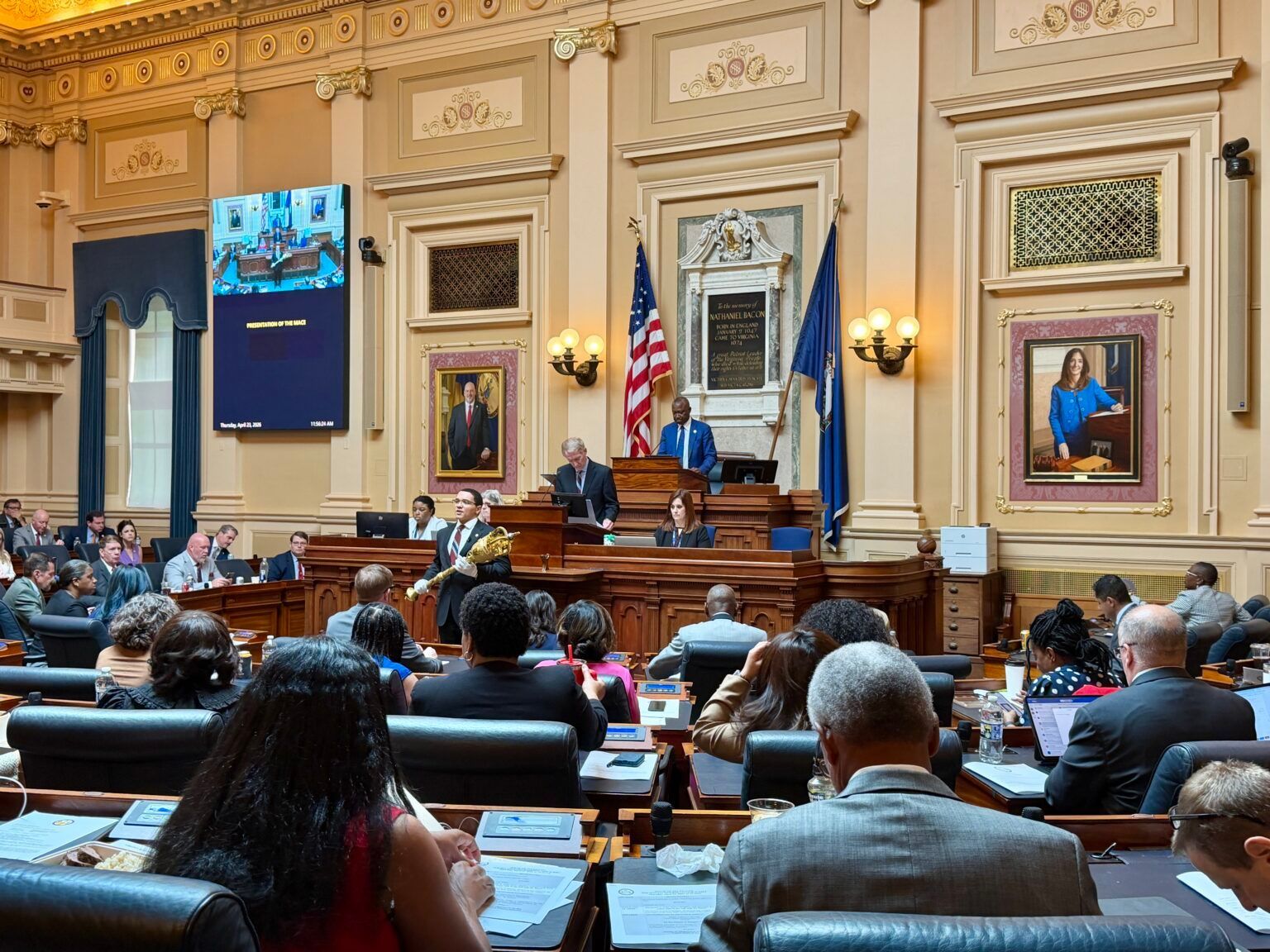
[Virginia Mercury] Virginia Lawmakers Recess Special Session Without Budget Deal