[Virginia Public Media] Data: Virginia’s Early Childhood Education Providers Are Succeeding
The second year of results from Virginia’s recently established Quality Establishment and Improvement System (VQB5) for early childhood education found that 99% of childcare providers receiving state funding meet or exceed quality expectations. As of early December 2025, over 154,000 views have been recorded on the system’s website since its October 2024 debut, revealing the many parents and families who appreciate the information that VQB5 offers them. None of these wonderful results would even be available to admire without the support and success we had in passing HB 1012
and SB 578
back in 2020!
The data focuses on classroom interactions between children and caregivers and notes how said interactions encourage kids to express themselves at a young age. The state has also enacted categories of excellence for providers who score in the top 10%, exceed quality expectations, or even show significant improvement from an evaluation the year before.
On top of that, a new data system called VAConnects helps integrate information on students over the years to track their learning progress. The Department of Education wishes to sustain the program and has requested $735,000 to do so. Overall, Virginia is serving as a model for other states to use in establishing best practices for their early childhood programs. Read more here.

[Richmond Times Dispatch] Virginia Budget Deal Emerges with Energy Consumption Tax on Data Centers
Manufactured homes are constructed in a factory and then transported to a land plot instead of traditional homes which are built on site. Despite the cost-savings constructors and prospective homeowners earn from manufactured homes, outdated stigma prevents them from being located anywhere other than agricultural zones. As part of her Affordability Agenda, Governor Spanberger has signed legislation which will expand where manufactured homes can be located. Under HB 655 and SB 346, starting July 1st Manufactured homes can now be located within any residential zone intended for traditional homes (with exceptions for historic districts). Further, localities will not be permitted to place different rules or any additional restrictions on manufactured homes that would not be imposed on single-family homes. Both bills passed the General Assembly with near-unanimous support. Executive Director of the Virginia Manufactured and Modular Housing Association Randy Grumbine says the new laws “could be very significant” in removing barriers that have been in place for decades. In 2020, a single-section manufactured home cost 35% the price of a similar-sized traditional home. Virginians have been facing affordability challenges when looking for housing – especially over the last several years – and they continue to experience a housing shortage which only exacerbates the problem. Del. Maldonado and Sen. VanValkenburg have noted that the strong bipartisan support they received for their respective bills is because Virginia’s housing crisis affects everyone regardless of partisan affiliation. Beyond the expansion of locations for manufactured homes, Governor Spanberger also signed HB 1227, which increases the amount of state funding toward affordable housing. She also signed HB 4, which gives localities the authority to require property owners to give the local government or developer the first chance to purchase property to build affordable housing. You can read the full article here for more details.
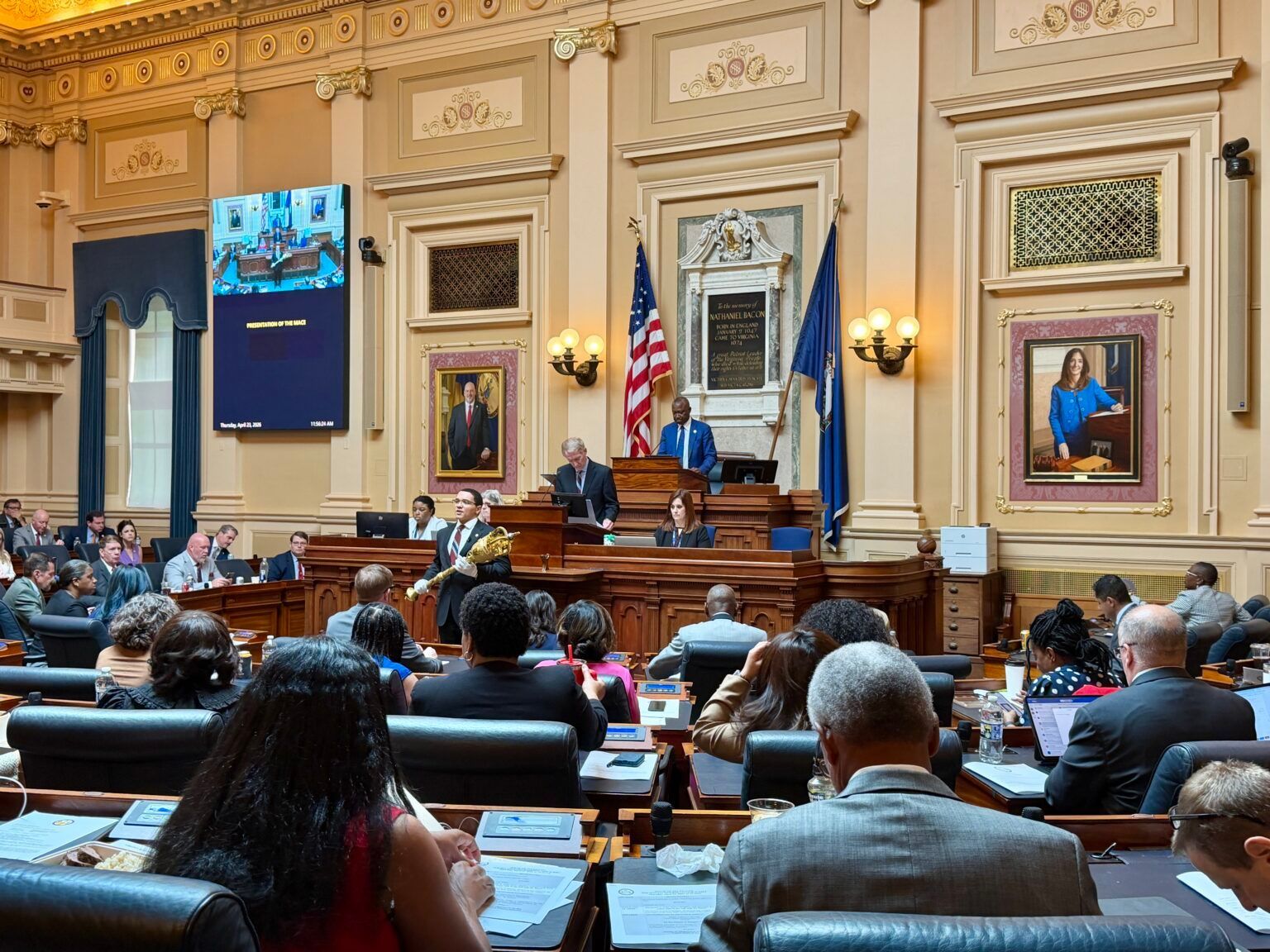
[Virginia Mercury] Virginia Lawmakers Recess Special Session Without Budget Deal